
No, that's not terroir
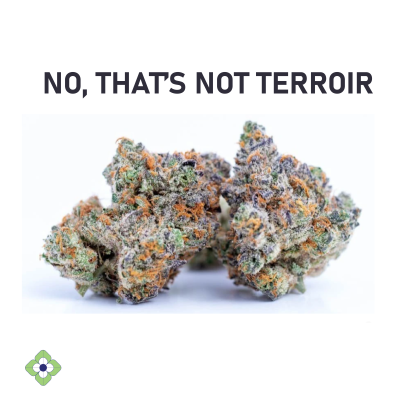
A varietal does not make terroir
Humans create diversity all the time. Cakes, Zkittlez or Blue Dream anyone? Just look at wine: not even 10 years ago, there were predictions by economists that all wine production would go towards the same varietals, and that a Chardonnay from Australia would taste similar to a Chardonnay from Burgundy or a Chardonnay from California. But producers are increasingly focused on making a product that speaks of place.
The soil does not make terroir
Yes, native soil is essential to the expression of terroir. But let’s not fall into geological determinism. The role of soil in a product is similar to the role of art supplies in a great painting. It takes producers with an intimate knowledge of their environment to produce quality terroir cannabis.
Craft does not make terroir
Not even the most skilled farmer can grow terroir cannabis if it’s divorced from its natural environment. Not even the most innovative producer can create terroir cannabis if they’re not invested in the place where they produce.
Collective production over time makes terroir Terroir takes meaning as global collective value in a regional context. It’s the power of local “membership” that links terroir with heritage. It’s a sense of cultivating and being rooted in a place over time. If you look at wine, UNESCO has added multiple winegrowing regions to world heritage sites and not just in France or Italy but also the upper Rhine region in Germany or the upper Douro Valley in Portugal.
As the market explodes, most consumers will go for standardized cannabis. But there is and will always be those that want to know where their product comes from, how it was grown, and by whom. That’s your terroir customers.