
How to buy safe, high-quality CBD in Humboldt County
Does your body go off-balance due to chronic stress? Modern life and diet can cause deficiencies in our system. How do you reset it? A balanced lifestyle including exercise and a healthy diet are key, and CBD in small, regular amounts can be helpful for some. Here’s how to buy safe, high-quality CBD in Humboldt County.
7-minute read
Does your body go off-balance due to chronic stress? Modern life and diet can cause deficiencies in our system. How do you reset it? A balanced lifestyle including exercise and a healthy diet are key, and CBD in small, regular amounts can be helpful for some.
Here’s how to buy safe, high-quality CBD in Humboldt County. And read on for more discussion on the topic.
How to buy CBD in Humboldt
1. Go to a licensed dispensary (licensed dispensaries are listed at CApotcheck.com). Products carried in licensed dispensaries in California must have compliance test results, so you know that any product is safe in terms of potency and contaminants.
2. Ask the consultant at the dispensary for a product high on CBD and low on THC to help with managing a specific health issue--pain, sleep, inflammation, etc.
3. Tinctures or salves are a good product to start with, dosage can be easily adjusted. Ask for dosage recommendations.
4. Is the product extracted from Humboldt County-grown cannabis? Humboldt cannabis farmers have decades of experience growing superior quality cannabis organically and sustainably. You will also support local families of farmers.
5. Is the CBD extract full-spectrum, i.e. coming from the whole plant? Full-spectrum CBD extracts have exponential therapeutic effects whereas effects from single-molecule CBD extracts have been shown to hit a peak and then drop off.
What is CBD? CBD is short for canabidiol , one of the many natural compounds found in cannabis. Both hemp CBD and cannabis CBD come from the same mother plant, Cannabis Sativa. The difference is one of designation based on the amount of THC contained in the plant. If the plant has more than 0.3% THC, it’s called cannabis. If it has less than 0.3% THC, it’s called hemp and the amount of THC is small enough to be considered nonexistent. The CBD compound has no psychoactive effect.
CBD and other cannabinoids interact with our internal Endocannabinoid System (ECS) which is largely responsible for homeostasis and regulates inflammatory responses in the body. “CBD works by mimicking the ECS molecules that regulate the immune system and the nervous system. It’s effective at reducing pain, anxiety and other health issues,” explains Gretchen Miller, co-owner of Kiskanu with her husband Jason. Their Eureka-based business manufactures craft, small-batch skin and body products. “Our production starts with sourcing cannabis from local organic farms,” notes Gretchen.
Similarly, Humboldt Apothecary has an absolute commitment to buying their cannabis exclusively from small farms in the county. “Here in Humboldt, we are fortunate to have the best-quality cannabis anywhere in the world,” explains Gillian Levy, co-founder of the business which manufactures tinctures and topicals. It’s not only important to start with the best plant material, but for CBD to be most effective, it’s also key to produce extracts out of the whole plant. Some CBD products are manufactured from isolates, or 100% pure CBD, and all the other compounds of the plant have been stripped away. By contrast, full-spectrum CBD include the plant’s naturally occuring terpenes and phytocannabinoids which have been shown to help in bioavailability meaning that the the body can better absorb and make use of the CBD. In an ideal world, consumers get the synergistic effect of full-spectrum products manufactured from the whole plant.
In terms of product safety, the CBD industry is largely unregulated and products labeled ‘CBD’ in stores may not match label ingredients or compliance. The surest way to buy a safe, fully-tested CBD product is to obtain it from a licensed dispensary, of which there are many in Humboldt County.
Humboldt Cannabis Appellations: Packaging Differentiation
Humboldt Cannabis Appellations: Packaging Differentiation
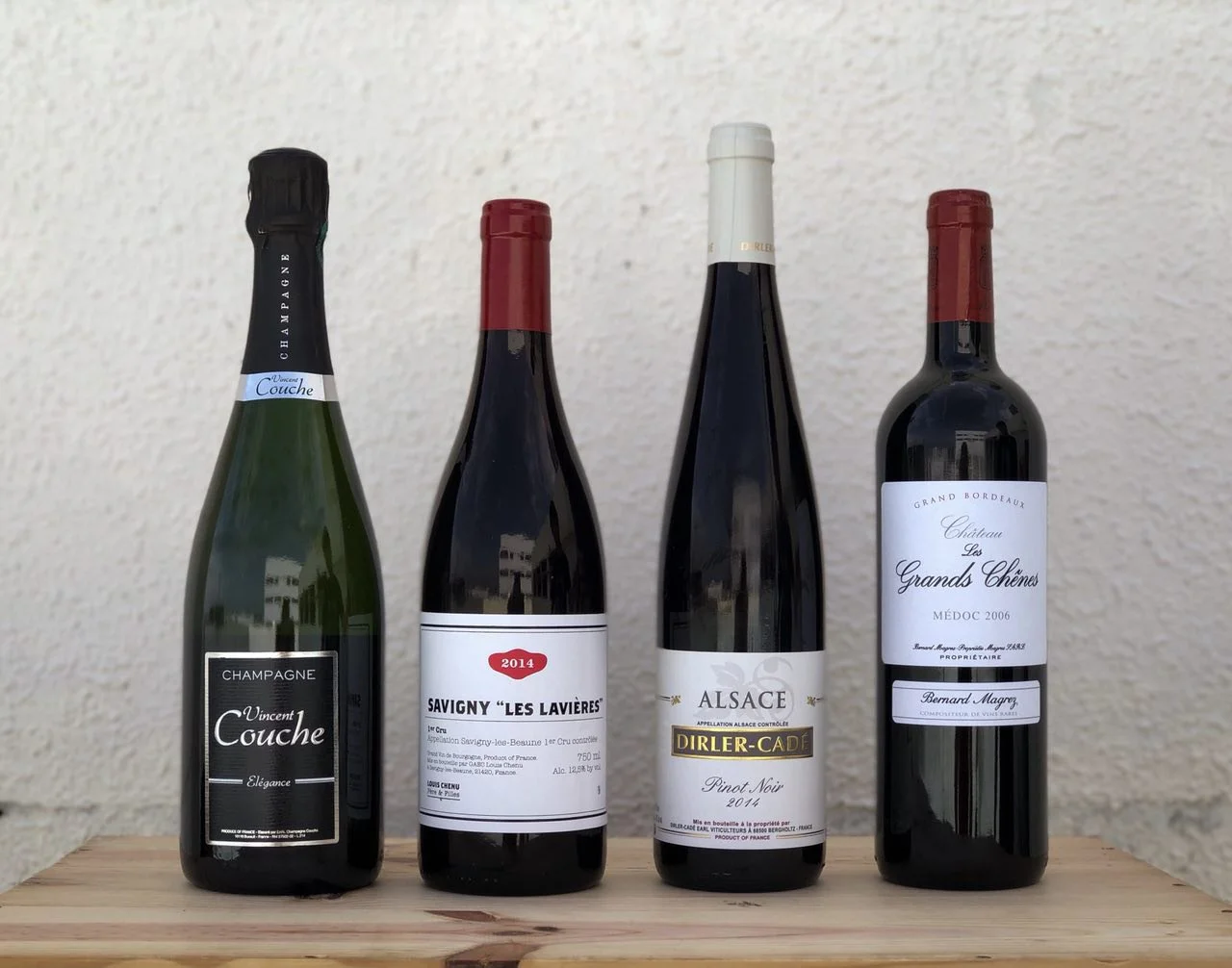
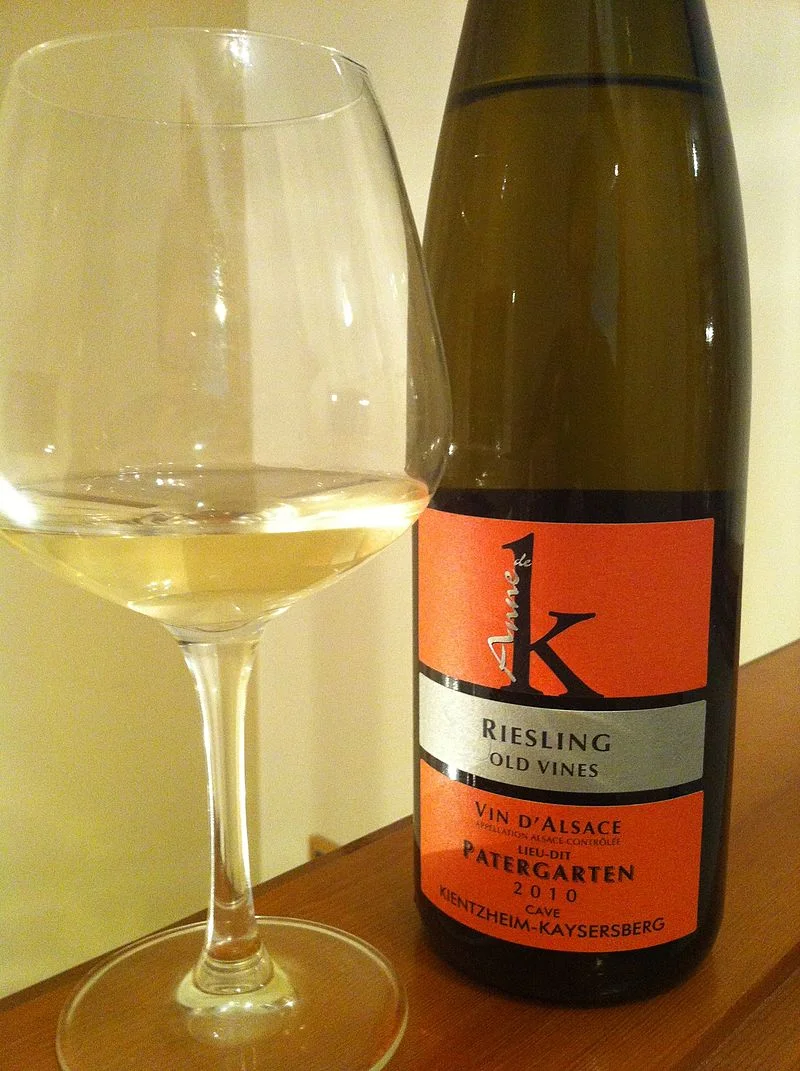
Much focus is given to French wine appellations when developing a framework for California Cannabis Appellations. French wines come in different shape bottles. Although the bottle shape doesn’t impact the wine’s flavor, it is a powerful identifier of the region from where the wine is produced. The Alsace wine bottle is long and fluted, the Bordeaux bottle is straight and tall. Burgundy presents itself in a bottle with gently sloping shoulders and a slightly wider body.
Humboldt County may find it valuable to consider a required packaging for its flower products that sets it apart from cannabis produced outside the Humboldt County Appellation. The packaging would reflects the environmental consciousness that has long existed in the region, and therefore be made without plastic but with a sustainable material. In addition, the packaging should ensure the longevity of the superior product.
What are your ideas about packaging for Humboldt Cannabis products?
Humboldt Cannabis Appellations: Further Thoughts
Humboldt Cannabis Appellations. Shall we work together towards solutions?
So I’ve shared some ideas and questions about Humboldt Cannabis Appellations. Here are further thoughts, would love your feedback. We’ll advance best when we collaborate on solutions that truly meet the needs of the Humboldt County cannabis community.
Production requirements
French Wine Appellations have stringent production requirements including but not limited to grapes coming 100% from their respective regions. In addition, the manufacture of grapes into wine is highly regulated to ensure that it is produced locally and at the highest standards. In California, the law already prohibits businesses from marketing as ‘Humboldt’ any cannabis that is not grown in Humboldt. Some states have mandated vertical integration of the supply chain, but California has taken a highly regulated approach with discrete actors requiring licenses for each step of the chain. There remain several open questions regarding the requirements imposed on the supply chain downstream and how these come under an Appellation system. For example, should secondary products derived from Humboldt Cannabis be manufactured in Humboldt County to earn the Appellation designation, just as an AOC wine is produced within the Appellation?
Enforcement
So long as marijuana remains illegal at the federal level, states should develop their own Appellation systems, while maintaining federally-legislated bans on import/export. It may prove beneficial to have an established framework in place at both the county and state level ahead of the day when the federal prohibition is lifted. While there will undoubtedly be challenges to enforcing Appellation law if other jurisdictions do not follow, it seems likely that established Appellation frameworks will incentivize regulation at the federal level. Trade bodies such as the Humboldt County Growers Alliance (hcga.co) are instrumental in developing policy making to differentiate HC Appellation differentiation and generate market value.
Education and Consumer Protection
One of the significant benefits of an Appellation system based on the French AOC system is that it provides consumers with far more information than just place of origin. As the HC Appellation gets established, it will be key to clearly and consistently communicate important data to consumers, including the strain, THC/CBD levels, etc.
What are your thoughts?
Humboldt Cannabis Appellations: Lieux-dits
Humboldt Cannabis Appellations could use locales (lieux-dits).
As of May 2019, there are over 1300 licensed cannabis cultivators in Humboldt County. The cultivators are spread across the forested, mountainous terrain of the county and speak to the tradition of cannabis growing in the various micro-climates of the region. An Appellation system that values unique micro-climate locations is more likely to benefit the long-term sustainability of small-scale cannabis farmers in Humboldt. Turning to Alsace, there are three Appellations and long a rich, long history of ‘lieu-dit’ (locales), with over 50 lieux-dits in its AOC. As an alternative to Mendocino’s system of multiple Appellations based on geography, further research into a single HC Appellation with a multiplicity of lieux-dits may prove fruitful in the establishment of Humboldt Cannabis Appellation guidelines.
Lieux-dits (pronounced liuh dee) is a French toponymic term for a smaller geographical area within the Appellation. Three possible translations for a Humboldt Cannabis lieu-dit are ‘townland’ locale’ and ‘place-name.’
What do you think of establishing ‘lieux-dits’ within the Humboldt Cannabis Appellation?
The case for Humboldt Cannabis Appellations
It’s changing before our eyes. Cannabis in California. Scared? Greedy (you know who you are)? Excited? A guide in this new adventure: Making the case for Humboldt Cannabis Appellations.
It’s changing before our eyes. From illegal to regulated, cannabis in California is evolving so fast that we don’t know what to feel. Scared. Greedy (you know who you are). Also excited. Going into the big unknown.
A possible guide in this adventure? Cannabis Appellations. I’m making the case for Humboldt Cannabis Appellations. Because we have a tradition, micro climates and unique packaging potential that would set Humboldt Cannabis apart. We may not agree, but let’s start talking.
An Appellation is a legally defined and protected geographical indication used to identify where an agricultural product comes from and how it’s produced.
In 2018, the California Department of Food and Agriculture (CDFA) established the CalCannabis Appellations Project to expand on county of origin regulations and create a statewide Appellations system. It is is required to establish the process for cannabis Appellations by January 1, 2021. THE CDFA has already established in its county-of-origin regulations that to be eligible for the designation, 100 percent of the cannabis shall be produced within the designated county, as defined by finite political boundaries.
Why Humboldt Cannabis Appellations?
Humboldt County has a rich and long history of small-scale farms cultivating cannabis. A Humboldt Cannabis (HC) Appellation will benefit Humboldt County cannabis businesses in three main ways: Protection, Innovation and Sustainability.
Protection.
HC Appellation could provide legal protection by:
preventing the use of ‘Humboldt’ branding for cannabis not 100% grown in Humboldt
promoting artisanal small-scale cultivation that focuses on sustainability, original seeds, etc.
reducing the risk of turning cannabis into a commodity that’s driven by price only
2. Innovation.
For Humboldt County cultivators already passionate about growing the best cannabis, an HC Appellation system will support their research and development in:
defining bottom-up regulation standards
exploring with hybrid strains
enacting best practices for sustainable cultivation that have the potential to become models for other crops around the world
3. Sustainability.
Tourism is a a key driver of economic success in Humboldt County. An HC Appellation will:
attract more visitors who want to discover genuine cannabis cultivation and process in the place of origin
provide long-term employment across the cannabis supply chain from growers to manufacturers, distributors, retailers and consumption spaces
enable Humboldt County residents to stay, thrive, and give their community a bright future.
Look at Alsace as well as Champagne for Cannabis Appellations?
Tradition: Humboldt County’s experiment with strains and hybrids
The large number of cannabis strains in Humboldt County and the potential for new ones is worth comparing to the varietals requirements in Alsace as well as Champagne.
The number and variety of strains is deeply connected with terroir: Humboldt County growers have spent decades researching cannabis strains and genetics to find those best suited to the climate, for example strains that are highly resistant to pathogens. At the same time, experimenting continues with new hybrids. An Appellation framework that specifies strains and allows and the development of new ones after regulatory requirements is key to innovation for Humboldt County cannabis.
Lieux-dits: a strength for Humboldt County’s cannabis micro-climates
Humboldt Cannabis cultivators are spread across the forested, mountainous terrain of the county and speak to the tradition of cannabis growing in the various micro-climates of the region.
An Appellation system that values unique micro-climate locations is more likely to benefit the long-term sustainability of small-scale cannabis farmers in Humboldt. Turning to Alsace, there are three Appellations and long a rich, long history of ‘lieu-dit’ (locales), with over 50 lieux-dits in its AOC. As an alternative to Mendocino’s system of multiple Appellations based on geography, further research into a single HC Appellation with a multiplicity of lieux-dits may prove fruitful in the establishment of Humboldt Cannabis Appellation guidelines.
Packaging differentiation
French wines come in different shape bottles. Although the bottle shape doesn’t impact the wine’s flavor, it is a powerful identifier of the region from where the wine is produced. The Alsace wine bottle, long and fluted, is immediately recognizable.
Photo credit: Frenchcellar.com
Humboldt County may find it valuable to consider a required packaging for its flower products that sets it apart from cannabis produced outside the HC Appellation. The packaging would reflects the environmental consciousness that has long existed in the region, and therefore be made without plastic but with a sustainable material. In addition, the packaging should ensure the longevity of the superior product.
Humboldt County: cannabis is part of who we are. In this new adventure, Humboldt Cannabis Appellations can make us strong. Let’s keep it real, let’s be smart and give our community a great future.
What do you feel are the pros and cons of Humboldt Cannabis appellations?
Nicole Riggs is the founder of Manifesto Synergies, providing communications and brand strategies to the Humboldt County cannabis industry. You’ll find her at Moonstone Beach or the Arcata Forest when she’s not drinking (Alsace) wine with friends.